
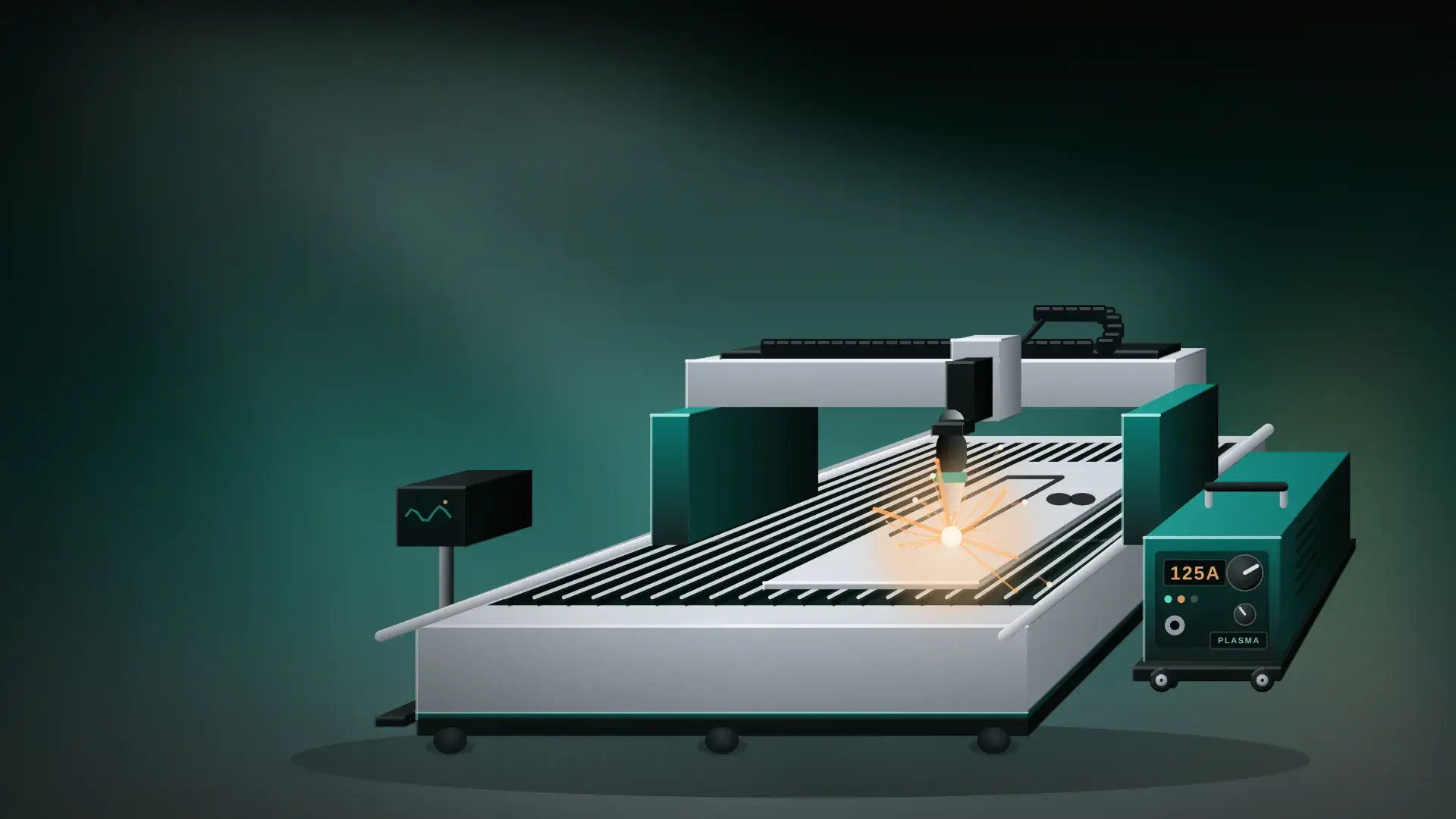
CNC Plasma
CNC Plasma Cutting Machines
Engineered, built and tested in India and configured to your job, with installation, operator training and service from the team that built it.
RA Machine is the CNC machine division of R.A. Auto Engineering Works, an engineering company in Kolkata, India, founded in 1989 and building machines since 2008. We make CNC laser and plasma cutting machines, MIG, TIG, MMA and submerged arc welding machines, and cobot and robotic welding systems, and supply them across India and abroad. We are GST registered, hold an Import Export Code for export, and have supplied Indian Railways since 2022 as a preferred vendor for certain safety-critical items. Our CNC Plasma Cutting Machines are designed, built and supported by our own team in India, for buyers across India and abroad. More about RA Machine
Specifications
The range
A CNC plasma cutting machine cuts electrically conductive metal with a constricted arc of ionised gas, guided along a programmed path by a CNC gantry. It is the economical way to cut mild steel, stainless steel and aluminium plate in quantity, where speed and running cost matter more than the fine detail of a laser. RA Machine builds CNC plasma machines with power sources from 100 A to 200 A and a cutting range of 2 mm to 25 mm, each configured to the plate sizes, thicknesses and volumes of the buyer's workshop.
- Plasma current
- 100 A – 200 A
- Cutting range
- 2 mm – 25 mm
Every machine is configured to the job it will do. Send us your material, thickness and production volume and we will recommend and quote the right configuration.
Request a Quote
For CNC Plasma Cutting Machines. Each machine is configured to the job, so tell us your material, thickness and volume and we will specify and quote it.
Fill form instead
Thank you — your enquiry has been sent.
Our sales team will get back to you shortly, usually within one working day.
Where it's used
Applications
Structural steel fabrication
Base plates, gussets, brackets and flanges
Agricultural implements and trailers
Earthmoving and construction equipment components
Truck body and trailer building
Storage tanks, silos and hoppers
HVAC ductwork and fittings
Steel furniture and storage racks
General plate cutting and job work
How it works
The engineering
A plasma torch forces a gas, usually compressed air, through a narrow nozzle while an electric arc passes from the electrode to the workpiece. The arc heats the gas until it becomes plasma, hot enough to melt steel, and the gas flow blows the molten metal out of the cut. Because the workpiece forms part of the electrical circuit, plasma cuts any conductive metal: mild steel, stainless steel, aluminium, brass and copper. The CNC controller drives the torch along the programmed profile, and torch height control keeps the stand-off distance correct as the plate flexes or warps with heat.
The power source current is the main configuration choice. A higher-current source cuts thicker plate and cuts mid-range thicknesses faster, while a lower-current source gives a narrower kerf and finer detail on thin sheet and costs less to buy and run. Within the 2–25 mm cutting range, the right current depends on where most of your work sits: a workshop cutting mainly thin and medium sheet does not need the top of the range, while one cutting heavier plate every day does. Gantry size, torch height control and nesting software are configured around the same job.
Plasma leaves a slightly bevelled edge and a wider heat-affected zone than a laser, and small holes relative to plate thickness are hard to cut cleanly. For brackets, base plates, gussets, flanges and parts that will be welded or machined anyway, this rarely matters. The correct current, cutting speed, stand-off height and fresh consumables keep dross to a minimum, so parts need only light cleaning.
Running costs are electricity, compressed air or other plasma gas, and consumables. The electrode and nozzle wear with every arc start and must be replaced regularly, and cut quality falls if they are run too long. Clean, dry air matters, so the supply needs proper filtration and moisture removal. A water table or downdraught table handles the fume and dust, which plasma produces more of than laser.
Plasma or fiber laser? Plasma costs considerably less to buy, is simple to run and cuts mild steel plate across the 2–25 mm range quickly, which makes it the practical choice for structural fabrication, agricultural equipment and heavy engineering. A fiber laser wins when parts need fine detail, small holes, tight fits or clean, square edges on thinner sheet. Some workshops run both: plasma for heavier plate, laser for precision sheet work.
RA Machine engineers, builds and tests its CNC plasma machines in India and configures each one to the buyer's plate sizes, materials and output. Installation, commissioning and operator training come with the machine, covering programming, nesting, consumable care and safe operation, with spares, remote diagnostics and service visits afterwards.
Our range
Other technologies
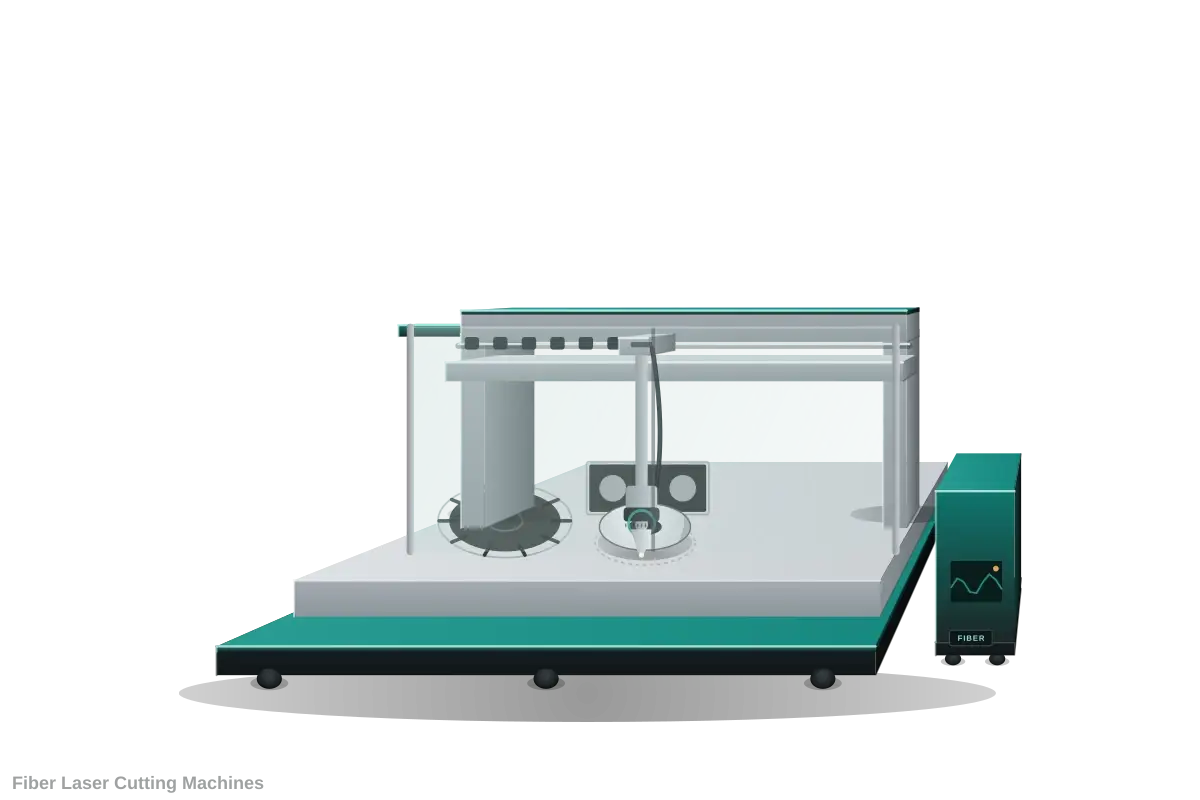
CNC Fiber Laser Cutting Machines
CNC fiber laser cutting machines from 1.5 kW to 30 kW, engineered and built in India for sheet and plate fabrication. Installation and training included.
1.5–30 kWlaser power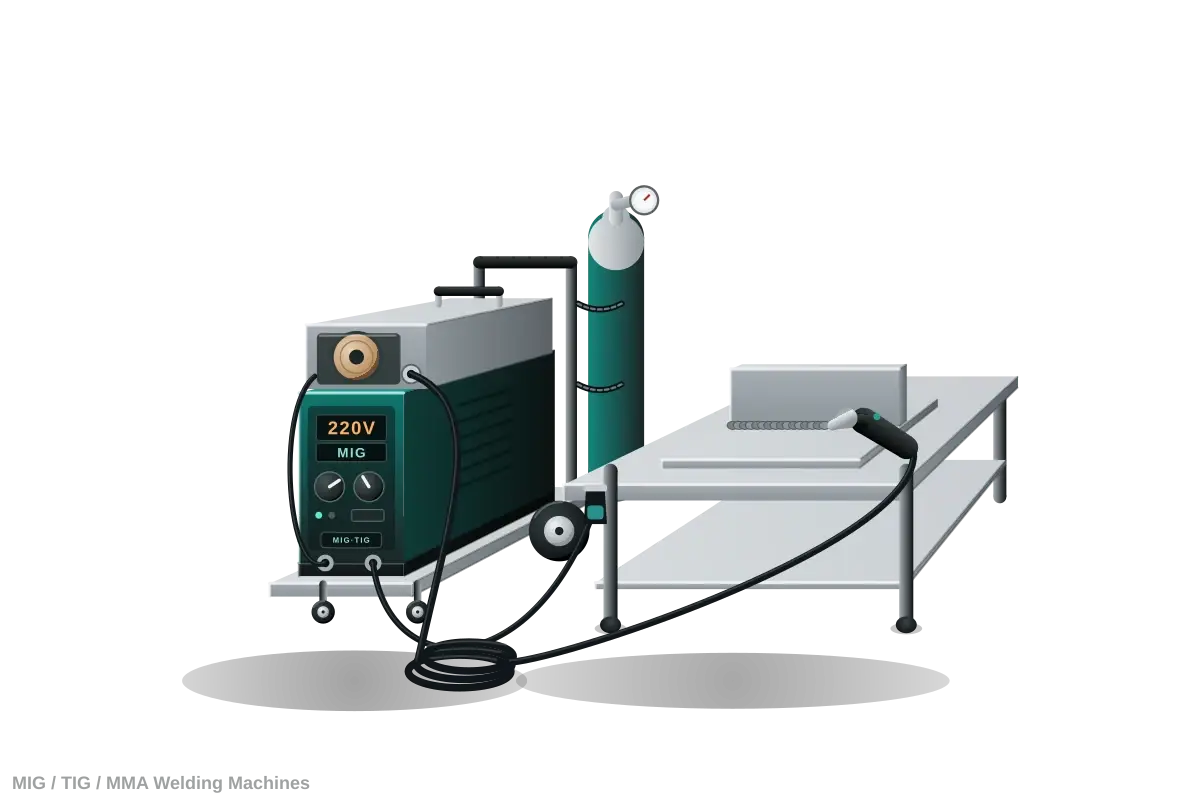
MIG, TIG & Arc (MMA) Welding Machines
MIG, TIG and MMA arc welding machines for 220 V and 440 V supply, customisable to your work. Engineered and built in India, with installation and training.
MIG · TIG · MMAprocesses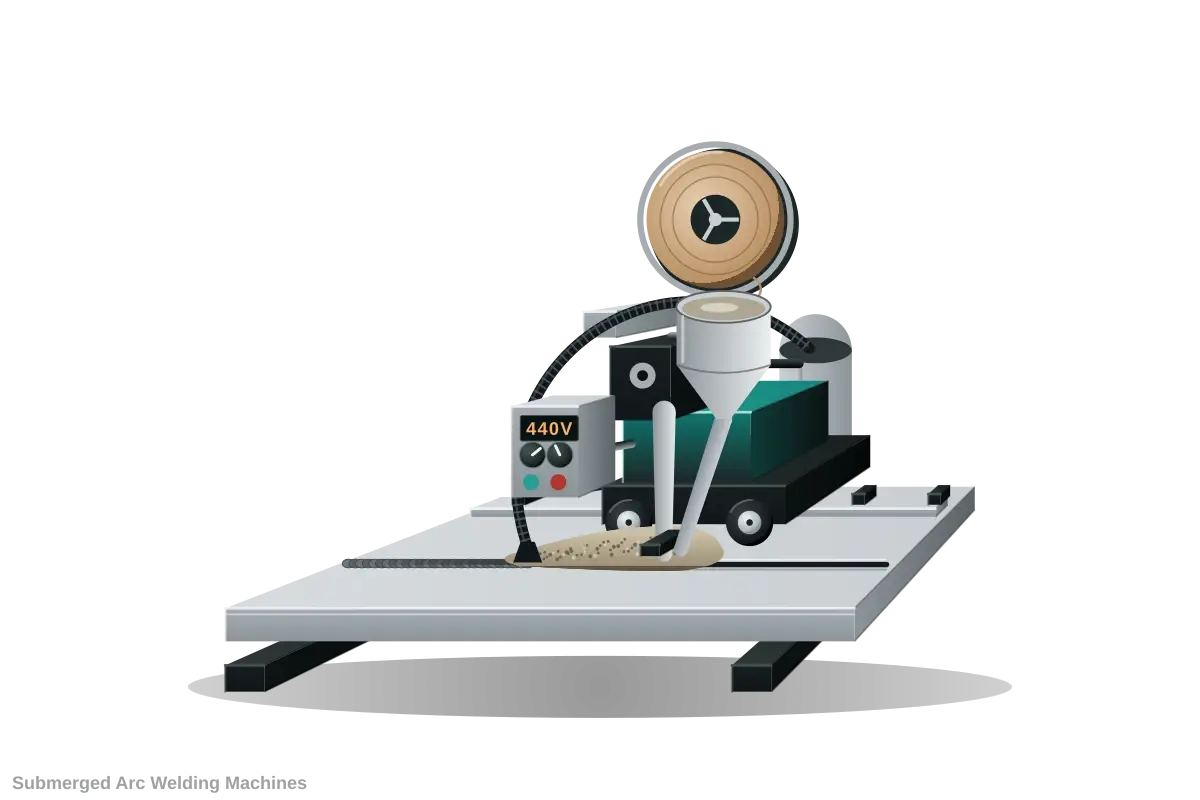
Submerged Arc Welding (SAW) Machines
Submerged arc welding (SAW) machines for 440 V, customisable for long seams on thick plate. Engineered and built in India, with installation and training.
440 Vsupply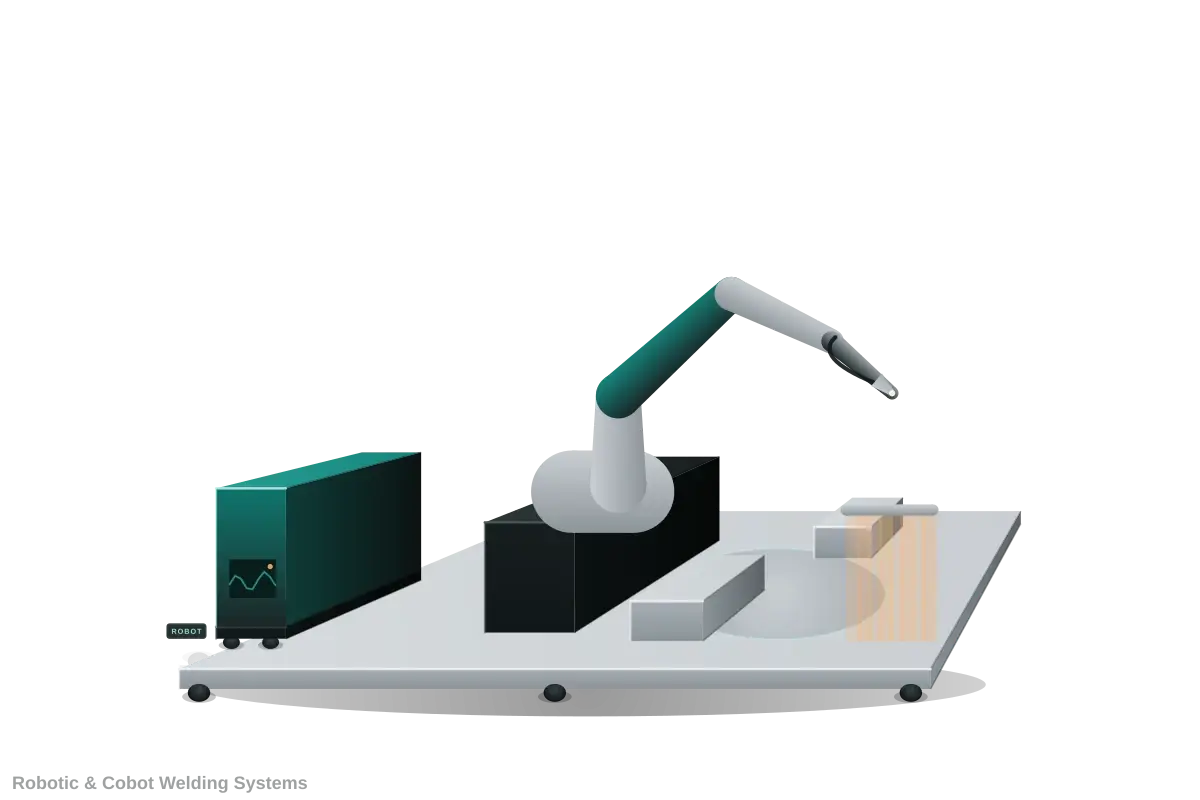
Cobot & Robotic Welding Systems
Cobot and industrial robotic welding systems, configured to your parts and volumes. Engineered and built in India, with installation and operator training.
Built to briefconfigurationFAQ
Questions about CNC Plasma Cutting Machines
Should I choose plasma or fiber laser?
Choose plasma if most of your work is mild steel plate for structural, agricultural or heavy fabrication, where speed and low running cost matter more than fine detail. Choose a fiber laser if you cut thinner sheet, need small holes, tight-fitting parts or clean, square edges for visible finishes. Plasma costs considerably less to buy. Share your drawings and material mix and we will recommend the technology that suits them.
What thickness can a 100 A vs a 200 A plasma cut?
Both work within the stated cutting range of 2 mm to 25 mm. As a rule, a higher-current source cuts thicker plate and cuts mid-range thicknesses faster, while a lower-current source gives finer detail and a narrower kerf on thin sheet. The right choice depends on the thicknesses you cut most often, the material and the edge quality you need, so we recommend a current after reviewing your drawings.
Which metals can a CNC plasma machine cut?
Plasma cuts any electrically conductive metal, because the workpiece forms part of the arc circuit. That includes mild steel, stainless steel, aluminium, galvanised sheet, brass and copper. Mild steel is the most common use. Stainless steel and aluminium cut well but benefit from correct gas selection and parameters for a clean edge. Plasma cannot cut non-conductive materials such as wood, plastics or glass.
What consumables does plasma cutting use, and when are they changed?
The main consumables are the electrode and nozzle, with the swirl ring and shield replaced less often. They wear with every arc start and with time under the arc, so life depends on how many pierces and how much cutting your jobs involve. Signs of wear include a wider, more bevelled cut and more dross. Operator training covers inspecting and changing consumables before quality drops.
Does CNC plasma need compressed air or special gases?
Most mild steel cutting is done with compressed air, which keeps running cost low. The air must be clean and dry, because oil and moisture shorten consumable life and spoil the cut, so the supply needs proper filtration and a dryer. Other plasma gases can improve edge quality on stainless steel and aluminium. We advise on the gas setup when configuring the machine for your materials.
Are installation and operator training included?
Yes. Every CNC plasma machine is installed and commissioned by our team, including torch height control setup, cutting parameter tables for your materials and a check of your air supply. Operator training covers programming and nesting, consumable care, safe operation and routine maintenance. After handover, we provide spares, remote diagnostics and service visits for the machines we build, so your cutting keeps running.
Talk to us about CNC Plasma Cutting Machines
Tell us your material, thickness and production volume and we will recommend the right configuration.