
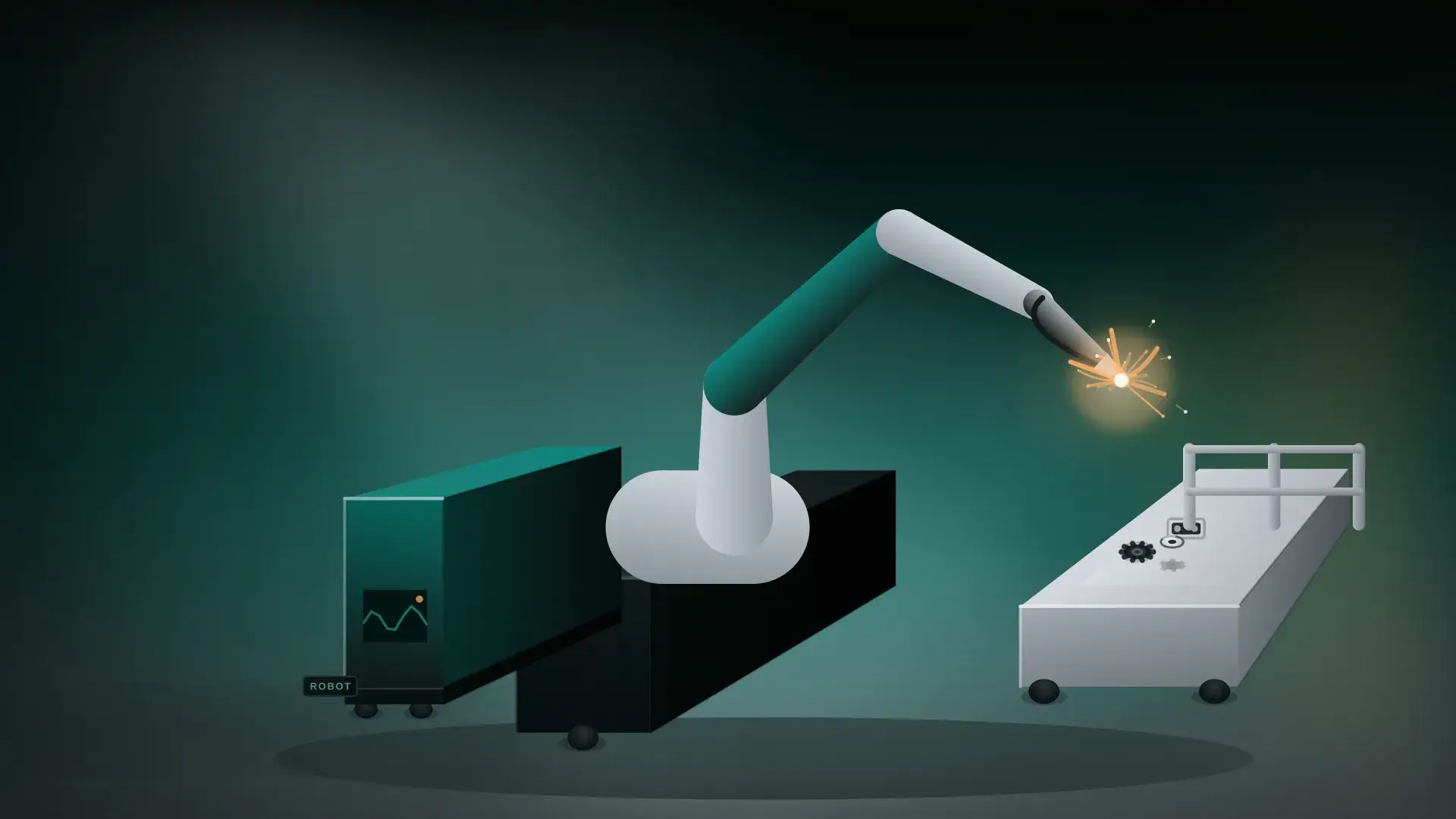
Cobot / Robot
Cobot & Robotic Welding Systems
Engineered, built and tested in India and configured to your job, with installation, operator training and service from the team that built it.
RA Machine is the CNC machine division of R.A. Auto Engineering Works, an engineering company in Kolkata, India, founded in 1989 and building machines since 2008. We make CNC laser and plasma cutting machines, MIG, TIG, MMA and submerged arc welding machines, and cobot and robotic welding systems, and supply them across India and abroad. We are GST registered, hold an Import Export Code for export, and have supplied Indian Railways since 2022 as a preferred vendor for certain safety-critical items. Our Cobot & Robotic Welding Systems are designed, built and supported by our own team in India, for buyers across India and abroad. More about RA Machine
Specifications
The range
A robotic welding system carries the welding torch on a programmable arm, so every part is welded with the same path, speed and torch angle regardless of who loaded it. RA Machine supplies two kinds: collaborative robots (cobots), which work alongside people and are quick to teach, and industrial robots, which run in guarded cells for higher speed and volume. There is no fixed model list. Each system is configured as per the buyer's requirement: the parts, the welding process, the fixtures and the output needed.
- Type
- Collaborative robot (cobot) or industrial robot
- Configuration
- As per the buyer's requirement
Every machine is configured to the job it will do. Send us your material, thickness and production volume and we will recommend and quote the right configuration.
Request a Quote
For Cobot & Robotic Welding Systems. Each machine is configured to the job, so tell us your material, thickness and volume and we will specify and quote it.
Fill form instead
Thank you — your enquiry has been sent.
Our sales team will get back to you shortly, usually within one working day.
Where it's used
Applications
Automobile and auto component sub-assemblies
Two-wheeler frames and components
Agricultural implement fabrication
Construction and earthmoving equipment components
Material handling equipment fabrication
Structural brackets and sub-frames
Steel furniture and storage racks
Electrical enclosures and panel frames
HVAC and ducting components
How it works
The engineering
A robotic welding system pairs a robot arm carrying the torch with a welding power source, a wire feeder for MIG work, and fixtures or a positioner that hold the part in the right place and at the right angle. The robot follows a taught path at a repeatable speed, torch angle and stick-out, which are exactly the variables that make manual weld quality vary from welder to welder and through a long shift.
Cobots are designed to share space with people. Force sensing and speed limits let them work without full guarding where a risk assessment confirms the application is safe, and most are taught by hand-guiding the torch to each point and saving it on a tablet. That suits small and medium batches, frequent changeovers and shops automating welding for the first time. Industrial robots are faster, more rigid and built to run continuously. They work inside a guarded cell with interlocked doors and light curtains, and suit high volumes of repeat parts and layouts where one station is loaded while the robot welds another.
The configuration is decided by the work: the size and weight of the parts, the length and position of the welds, batch sizes and how often the part changes, the welding process, and the output you need per shift. Fixtures matter as much as the robot. A robot welds exactly where it was taught, so parts must be cut and fitted consistently; accurate blanks from a CNC laser or plasma machine and well-designed fixtures are what make a robot pay off. We design fixtures and positioners around your actual parts.
Robotic MIG/MAG welding of mild steel, stainless steel and aluminium is the most common application, using synergic programs that set wire speed and voltage together. Aluminium benefits most from a robot's consistency, because manual aluminium MIG is sensitive to travel speed and torch angle. TIG can also be automated where the job needs clean welds on thinner stainless steel.
A robot does not remove the need for welding knowledge. Loading parts and running a saved program needs no certified welder, but programming and setting parameters benefit from someone who understands welding, and many shops retrain an experienced welder as the robot's programmer. Routine care covers contact tips, nozzles and liners, torch cleaning, cable checks and the lubrication schedule set by the robot's maker. Fume extraction belongs in every setup.
Against the other technologies on this site, manual MIG, TIG and MMA machines remain the right tools for one-off and varied work, and SAW handles long seams on thick plate. Robotic systems take over repeat parts where consistency and throughput matter. RA Machine engineers each system to the buyer's brief, builds and tests it in India, and supports it with installation, commissioning, operator and programmer training, spares, remote diagnostics and service visits.
Our range
Other technologies
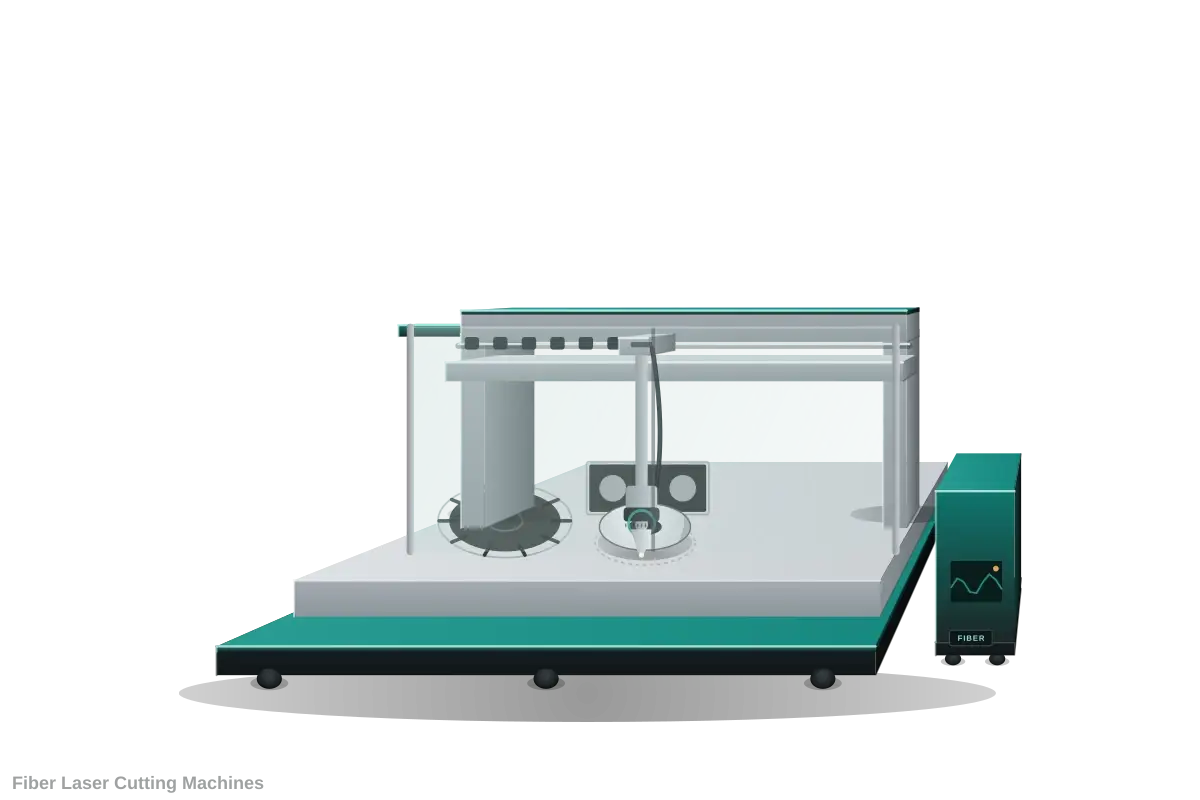
CNC Fiber Laser Cutting Machines
CNC fiber laser cutting machines from 1.5 kW to 30 kW, engineered and built in India for sheet and plate fabrication. Installation and training included.
1.5–30 kWlaser power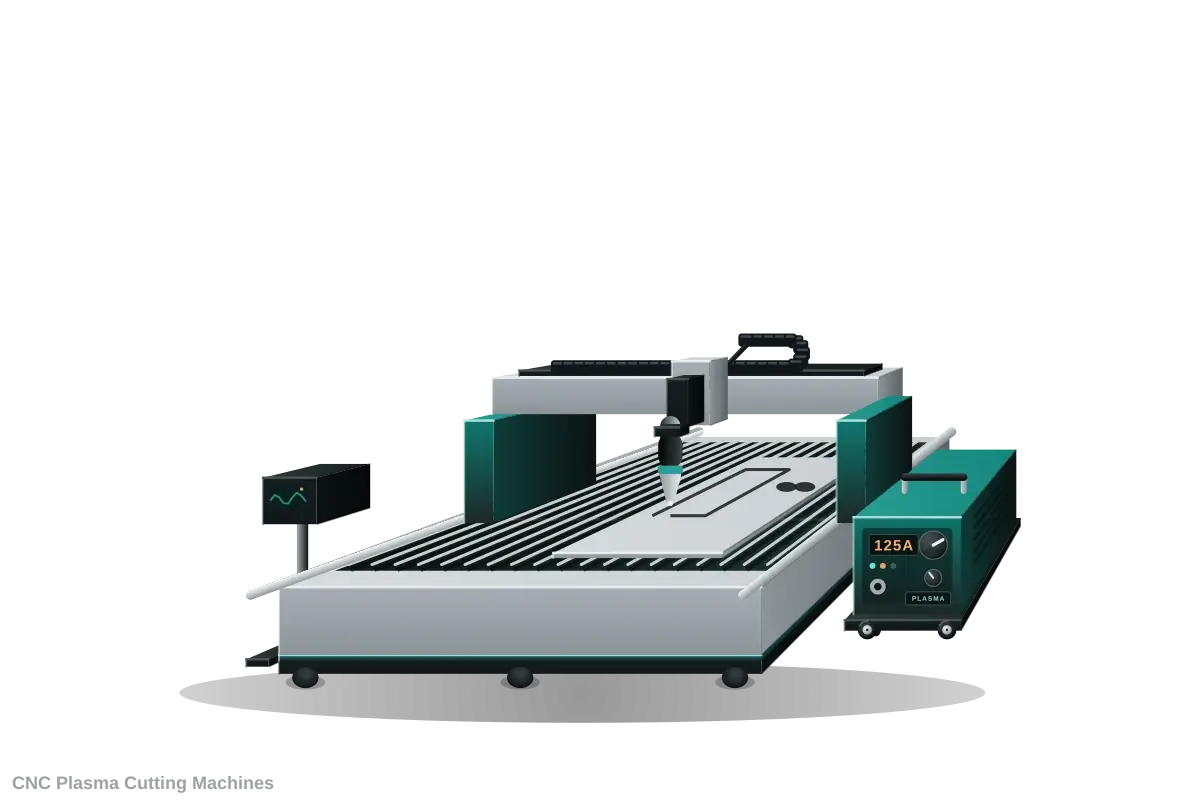
CNC Plasma Cutting Machines
CNC plasma cutting machines from 100 A to 200 A, cutting metal from 2 mm to 25 mm. Engineered and built in India, with installation and operator training.
100–200 Aplasma current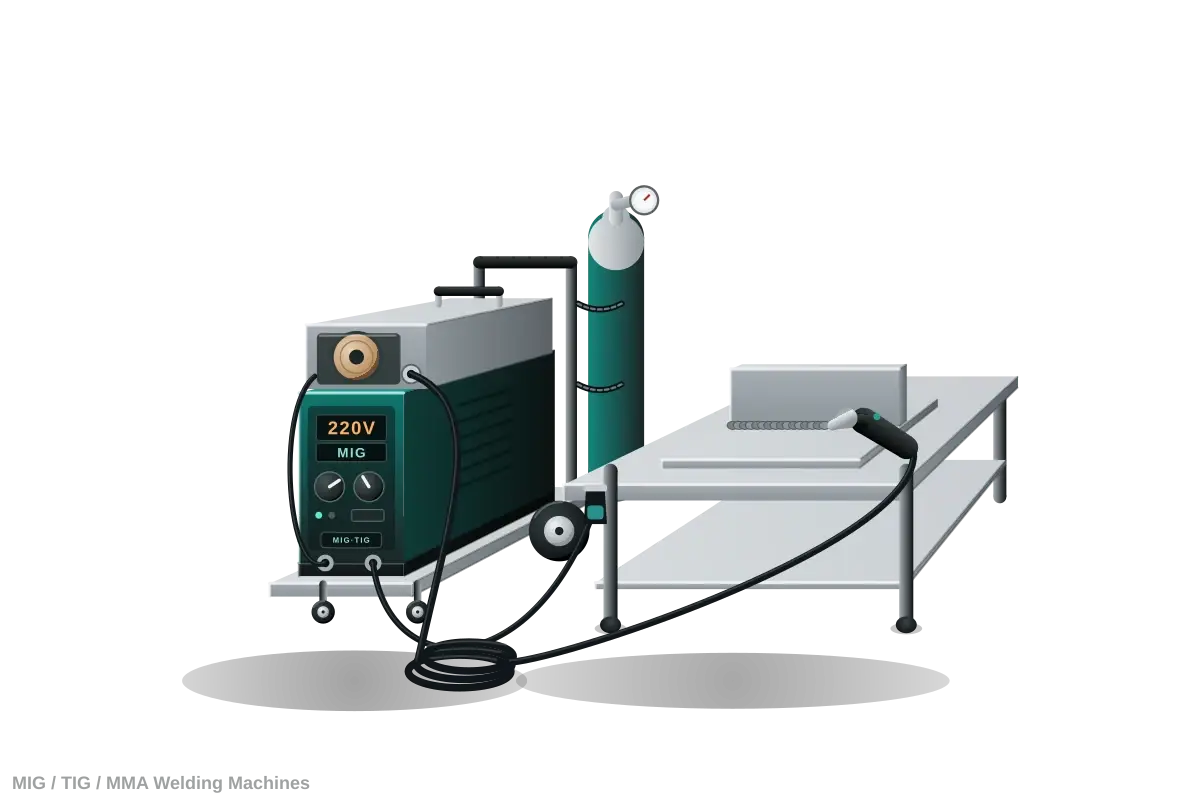
MIG, TIG & Arc (MMA) Welding Machines
MIG, TIG and MMA arc welding machines for 220 V and 440 V supply, customisable to your work. Engineered and built in India, with installation and training.
MIG · TIG · MMAprocesses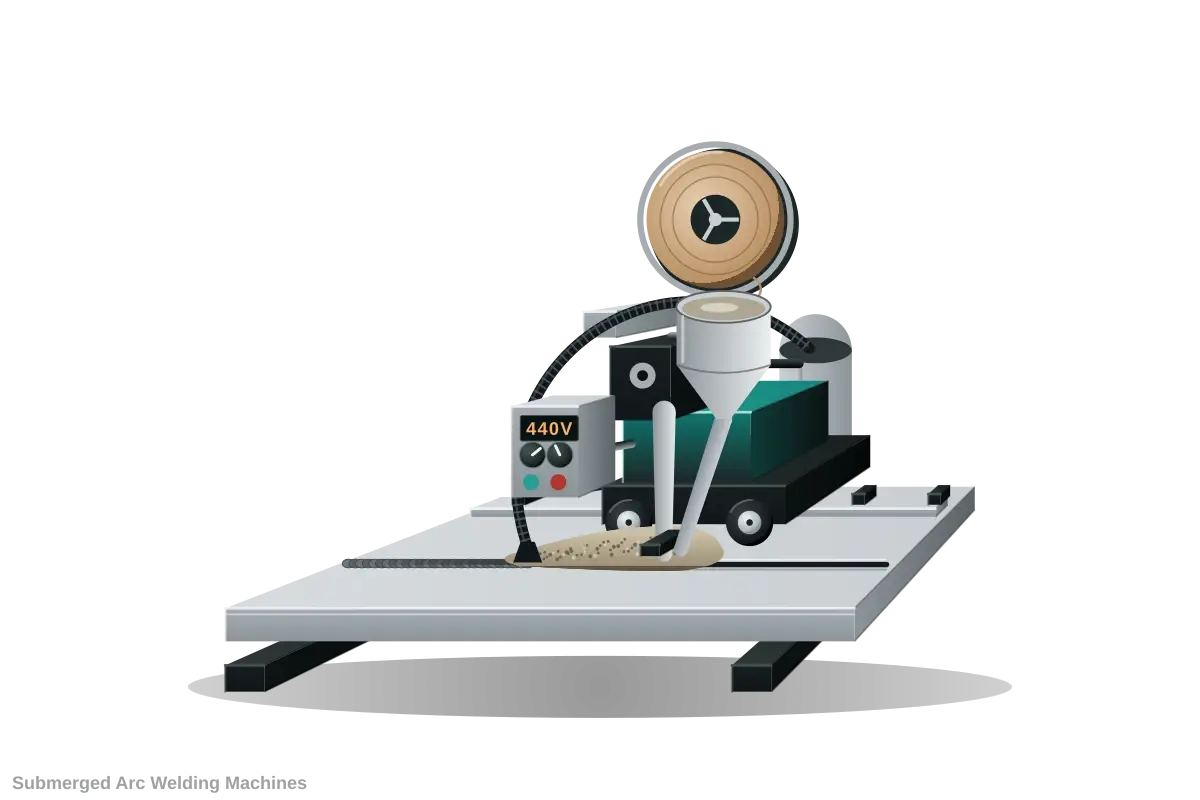
Submerged Arc Welding (SAW) Machines
Submerged arc welding (SAW) machines for 440 V, customisable for long seams on thick plate. Engineered and built in India, with installation and training.
440 VsupplyFAQ
Questions about Cobot & Robotic Welding Systems
What's the difference between a cobot and an industrial welding robot?
A cobot is built to work near people: it senses contact, runs at limited speed and is usually taught by hand-guiding the torch, so it suits small batches, frequent changeovers and first-time automation. An industrial robot is faster and more rigid, runs inside a guarded cell, and suits high volumes of repeat parts. We recommend one or the other after looking at your parts, batch sizes and output.
Is my production volume high enough for robotic welding?
Robotic welding pays off when the same parts recur, even in modest batches, and when consistent weld quality or a shortage of skilled welders is holding production back. Cobots make sense at lower volumes because they are quick to teach and change over. Very varied one-off work is usually better done manually. Share your part drawings and monthly quantities, and we will give you an honest assessment.
Do I need a skilled welder to operate a robotic welding system?
Loading parts and starting a saved program does not need a certified welder, but programming new welds and adjusting parameters benefits from someone with welding process knowledge. Many customers retrain an experienced manual welder as the system's programmer and operator, combining their judgement of weld quality with the robot's consistency. Our training covers both operating the system and programming new parts.
Can a robot weld stainless steel and aluminium as well as mild steel?
Yes. Robotic MIG/MAG welding handles mild steel, stainless steel and aluminium alloys, with synergic programs that set wire speed and voltage for the chosen material and wire. Aluminium benefits particularly from a robot's steady travel speed and torch angle, which reduce burn-through and porosity compared with manual welding. TIG can also be automated where the job needs clean welds on thinner stainless steel.
Why do parts and fixtures matter so much for robotic welding?
A robot repeats the taught path exactly, so it cannot compensate the way a manual welder does for a part that is cut short or fitted with a gap. Consistent blanks, ideally from CNC laser or plasma cutting, and fixtures that locate every part in the same place are what make a robot weld reliably. We design the fixtures and positioners around your actual parts as part of the system.
What safety measures does a robotic welding system need?
An industrial robot works inside a guarded cell with interlocked doors and light curtains that stop it if anyone enters during a cycle. A cobot can work without full guarding only where a risk assessment of the specific application confirms it is safe, and the welding arc still needs screening. Both need welding fume extraction. We commission and test the safety systems before handover.
Talk to us about Cobot & Robotic Welding Systems
Tell us your material, thickness and production volume and we will recommend the right configuration.